


Should Cloning Be Allowed?
Should Cloning Be Allowed?
“Why Have One When You Can Have Two?”
1. Warm-up Questions (Discussion)
What do you know about cloning?
Would you clone an animal or a human if it were possible? Why or why not?
Do you think cloning could be helpful or dangerous?
Should science have limits, or should everything be possible?
2. Vocabulary Exercise – Match the Words
Match the words (1–8) with their correct definitions (A–H).
Words
Cloning
Ethics
Genetic modification
Identity
Experimentation
Reproduction
Controversial
Scientific progress
Definitions
A. A process of producing genetically identical copies
B. Rules about what is morally right or wrong
C. Changing the genes of an organism
D. The characteristics that make someone unique
E. Testing and research in science
F. Creating new life or offspring
G. Causing disagreement or debate
H. Advancing knowledge or technology
3. Fun Vocabulary Exercise – Agree, Disagree, or It Depends
Read the statements and choose Agree (A), Disagree (D), or It Depends (ID).
Be ready to explain your choice.
Cloning animals is acceptable if it helps science.
Human cloning should never be allowed.
Genetic modification is the same as cloning.
Cloning can solve problems like extinction or organ shortages.
Cloning challenges ethical boundaries.
4. Reading Article
Cloning: Science or Ethical Dilemma?
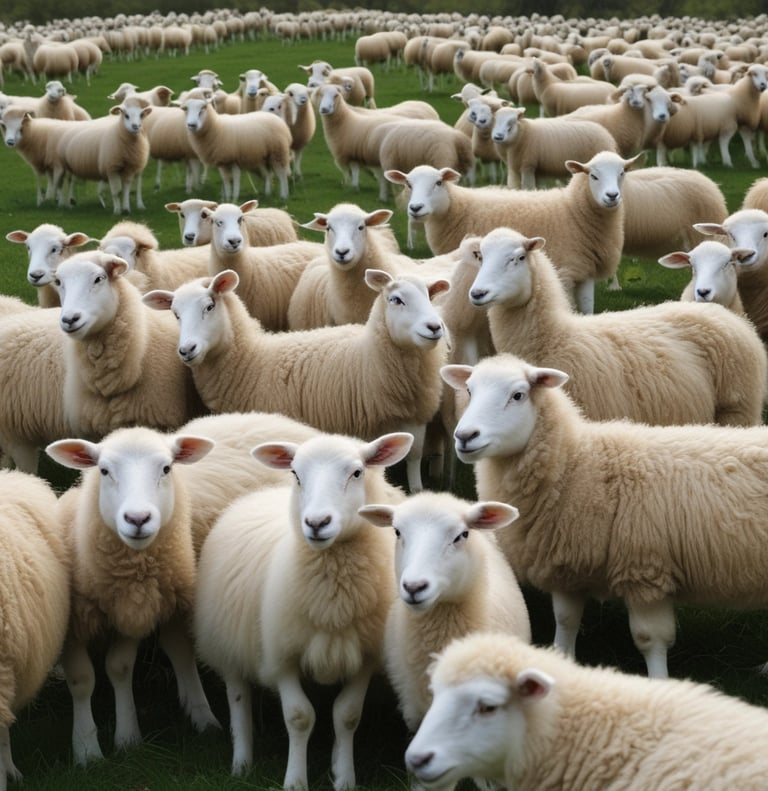
Cloning has been a topic of debate for decades. Scientists have successfully cloned animals, such as sheep and cows, and research continues into the possibilities for humans. While some see cloning as a revolutionary step in scientific progress, others warn that it raises serious ethical and social questions.
Supporters argue that cloning can have significant benefits. Animal cloning can preserve endangered species and increase reproduction efficiency in agriculture. Cloning could also help humans in medicine by providing organs for transplant or studying genetic diseases. In this view, cloning is a tool for solving real-world problems and advancing knowledge.
Another argument focuses on experimentation. Cloning allows scientists to better understand genetics and disease. By creating genetically identical subjects, researchers can observe how specific genes affect development and health. This can lead to medical breakthroughs and improve overall human well-being.
However, critics raise concerns about identity and individuality. Cloning humans could challenge ideas about uniqueness and personal rights. People may feel pressure to conform to the expectations set by the original individual. This could affect psychological health and social relationships. Even in animals, cloned pets often raise questions about emotional attachment and authenticity.
Ethical issues are central to the debate. Some argue that cloning treats living beings as objects rather than individuals. Questions arise about consent, ownership, and potential exploitation. Cloning can be controversial, not just morally, but socially and legally. Many countries have strict laws regulating or banning human cloning.
There are also risks related to technology. Cloning is not yet fully reliable. Many cloned animals experience health problems, and success rates are low. Applying cloning to humans would carry unknown dangers and could lead to suffering. Critics argue that the potential harm outweighs the benefits.
In conclusion, cloning offers exciting possibilities for science and medicine, but it also presents major ethical, social, and biological challenges. Whether it should be allowed depends on careful consideration of both benefits and risks. Society must balance scientific progress with respect for life, identity, and morality.
5. Grammar Exercise 1 – Modal Verbs (Should / Shouldn’t / Must)
Complete the sentences using should, shouldn’t, or must.
Scientists __________ consider ethical implications before cloning.
Cloning humans __________ be done without strict laws.
Governments __________ regulate cloning research.
Cloning animals __________ respect animal welfare.
People __________ ignore moral concerns in science.
6. Grammar Exercise 2 – First Conditional
Complete the sentences using the correct form of the verb.
If scientists clone animals successfully, they __________ (help) endangered species.
If human cloning is allowed, society __________ (face) ethical dilemmas.
People __________ (accept) cloning more easily if risks are minimized.
If cloning technology fails, cloned animals __________ (suffer) health problems.
Researchers __________ (make) breakthroughs if cloning experiments continue.
7. Case Study & Role Play – Cloning Debate
Situation:
A scientific research center wants to start a cloning program for medical purposes. Public opinion is divided, and ethical questions arise.
Group Roles (4 Groups):
Group 1 – Scientists
Support cloning for medical and research purposes
Emphasize potential benefits
Argue safety measures can prevent harm
Group 2 – Ethicists / Religious Leaders
Focus on moral and ethical concerns
Worry about human dignity and rights
Argue that cloning can be harmful socially
Group 3 – Public / Families
Concerned about safety, identity, and social impact
Interested in medical benefits but cautious
Represent different viewpoints
Group 4 – Government / Regulators
Decide whether to allow or restrict cloning
Balance innovation with laws and ethics
Recommend guidelines for safe research
Task:
Each group prepares three key arguments
Hold a 10–15 minute role-play discussion
Government announces the final decision